When I started my PhD, I was fascinated by the potential of gamification. Like many people in education, I thought gamification meant bringing in points, badges, levels, and other game elements into the learning experience.
But over time, my understanding shifted.
Now, if there’s one thing I’ve learned, it’s this:
Gamification isn’t about using the same tools as a game designer, it’s about thinking like a game designer.
This is a big distinction, and one I believe we often miss in the education field. We see games as something we can copy: add a leaderboard here, throw in some badges there, and expect motivation to follow. But that’s not how games really work, and that’s not how learners really engage.
Game designers don’t just add flashy rewards. They make thoughtful decisions based on why people play, how they stay engaged, and what makes an experience meaningful or fun. Their approach is deeply tied to psychology, behavioural patterns and user experience design.
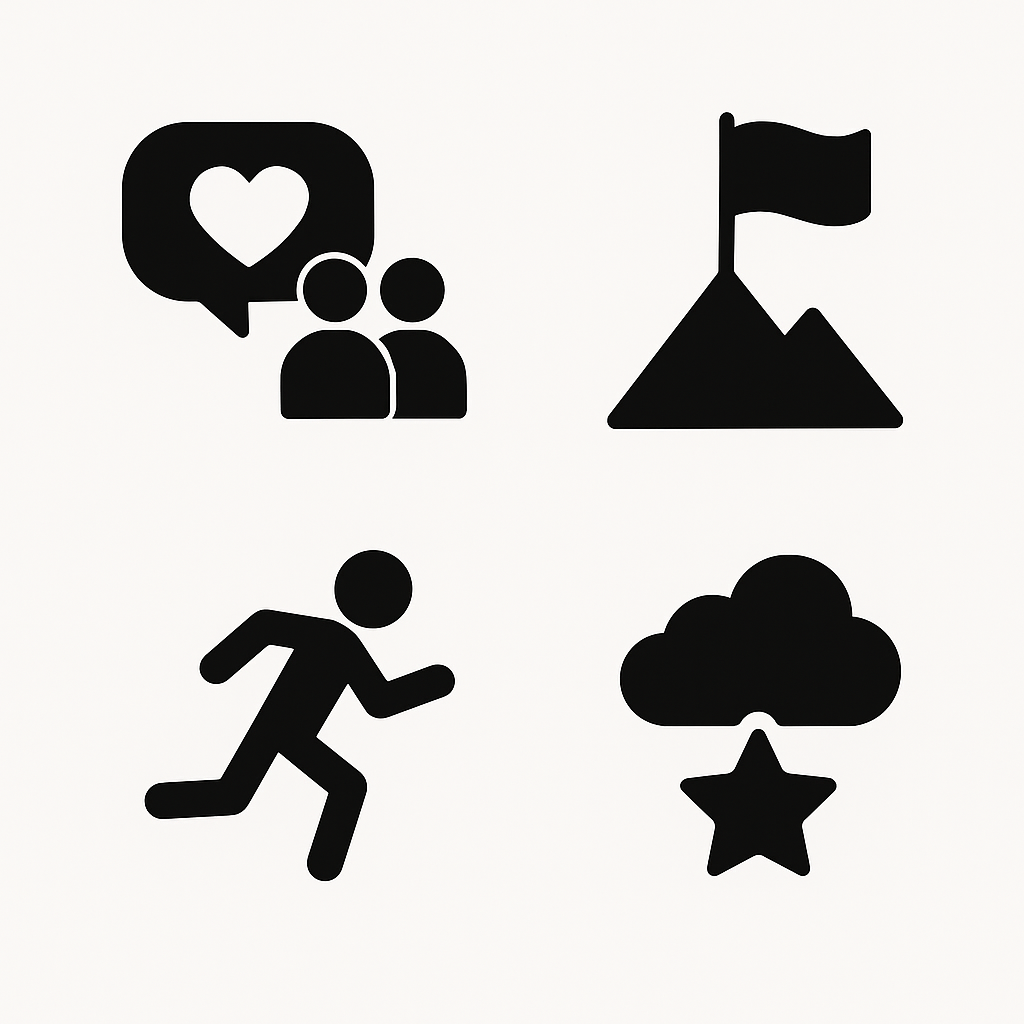
One simple example is how game designers use player type theory. A common classification divides players into types like achievers, explorers, socialisers, and killers, not to personalise the game, but to understand what drives different kinds of players. Then, they design tools and experiences that appeal to each type’s motivation.
For example, socialisers might be motivated by connection, so a game might offer chat functions, team-based missions, or leaderboards that help them feel part of a community. Achievers might want points or badges to measure progress. Explorers are drawn to discovery, so they’re given hidden content or expansive environments. The point is: the designer isn’t changing the whole game for each player, they’re offering different access points that speak to different motivations.
What we’ve done in education, though, is take the concept of “player types” and turn it into a personalisation algorithm, rather than a design mindset. We’ve missed the heart of the idea, that it’s not about tailoring content, but about designing meaningful experiences that resonate with different kinds of learners.
What we’ve done in education is this:
We borrowed the idea of player types, then turned it into a personalisation tool, and in the process, we missed the core philosophy behind it.
Gamification isn’t about gimmicks or surface-level motivation. It’s about designing experiences that tap into curiosity, autonomy, challenge and meaning. That means thinking deeply about what engagement really is, and how we can build it, not just bolt it on.
Is Gamification a Pedagogy?
And this leads to a second question I often reflect on: Is gamification a pedagogy?
From my perspective, the answer is no.
I don’t see gamification as a pedagogy in itself. Rather, I see it as a design approach, a structured way of thinking that helps us organise and visualise the learning experience from a designer’s point of view. In other words, it gives us a practical framework for planning learning, not a philosophy of learning in and of itself.
In fact, most of the core elements of gamification already exist in education, just under different names. Things like:
- Clear goals and instructions
- Levels of difficulty or progression
- Feedback loops
- Social interaction
- Reflection and challenge and more
These are not new to education. But what gamification offers is a different lens for applying them, a more interactive, engaging, and learner-driven way of structuring those same elements.
Take the concept of challenge, for example.
We know from educational psychology that challenge is important, students need tasks that stretch their abilities just beyond their comfort zone. But what happens when a student can’t solve a problem? In traditional education, they might get a red X, or be told to try again later.
In games, it’s different. If a player struggles, the game doesn’t just say “wrong”, it offers a hint. Maybe two. Sometimes three. The game is designed to support persistence and keep the player in flow, not to punish failure.
This kind of layered feedback, gradual support, and encouragement to try again, that’s what gamification helps us design for in education.
It doesn’t replace pedagogy, but it does offer a practical toolkit for making learning more engaging, adaptive, and human-centred.
Bridging Theory and Practice
So, to create a strong piece of learning design, you need to start with a solid pedagogical foundation, a clear understanding of how people learn, what the goals are, and what kind of change you hope to support.
Gamification doesn’t replace pedagogy, it helps bring it to life.
In other words, gamification is a practical layer. It offers tools and design strategies that help you translate theory into engaging practice. Whether your pedagogy is constructivist, experiential, or inquiry-based, gamification can support it by providing ways to scaffold challenge, support feedback, encourage persistence and create meaningful interaction.
That’s how I see it now:
Gamification narrows the gap between theory and practice.
It helps designers and educators move from abstract ideas to concrete experiences, ones that feel dynamic, responsive and relevant to learners.
But to use it well, we need to go deeper than badges and points. We need to think like designers, not just about what learners need to know, but how we want them to feel as they move through the learning experience. Curious? Motivated? Connected? Capable?
Gamification gives us the tools to design for those feelings, but only when it’s grounded in good pedagogy.
These are just my thoughts, drawn from my own experiences as a researcher and education designer. I’m still learning and always open to hearing other perspectives.
– Sara
 Simply Sara
Leave a comment