Recently, I was chatting with a group of friends from the Middle East about the Australian school system. As someone who has worked in education both in the Middle East and here in Australia, and as a parent, I shared something that surprised them: I believe the education system in Australia is better. Not because it’s easier, but because it focuses on developing soft skills and employability skills that truly matter in today’s world.
My friends didn’t all agree. Some strongly defended our home countries’ education systems, saying they’re more disciplined, more academic, more focused. And I understand where they’re coming from. But I also see what happens when families arrive here and try to make sense of a completely different way of learning.
A Culture Shock for Parents
When families move to Australia from countries like Egypt, India or China, they don’t just bring their luggage, they bring a whole different mindset about education.
Too often, the Australian government, education system, and even schools themselves treat all immigrants as if they come from the same cultural background, as if they are already familiar with Western values and educational philosophy. But for many of us, this couldn’t be further from the truth.
Different Foundations, Different Expectations
In many Asian and Middle Eastern countries, education is non-negotiable. It is not just a right, it is an obligation, often seen as the only path to a secure future. A student’s success is measured by how much information they retain and the marks they achieve. High scores are a must, and schoolwork extends into long hours of study after school, often including private tutoring, with weekends being the only time to relax, after all the homework is done.
The relationship between students and teachers is formal and hierarchical. Teachers are respected, not challenged. Students listen quietly, take notes, and ask questions only when appropriate and always politely. There’s very little room for class discussion, debate, or personal reflection.
Now compare this with the Australian education system.
A Culture Shock in the Classroom
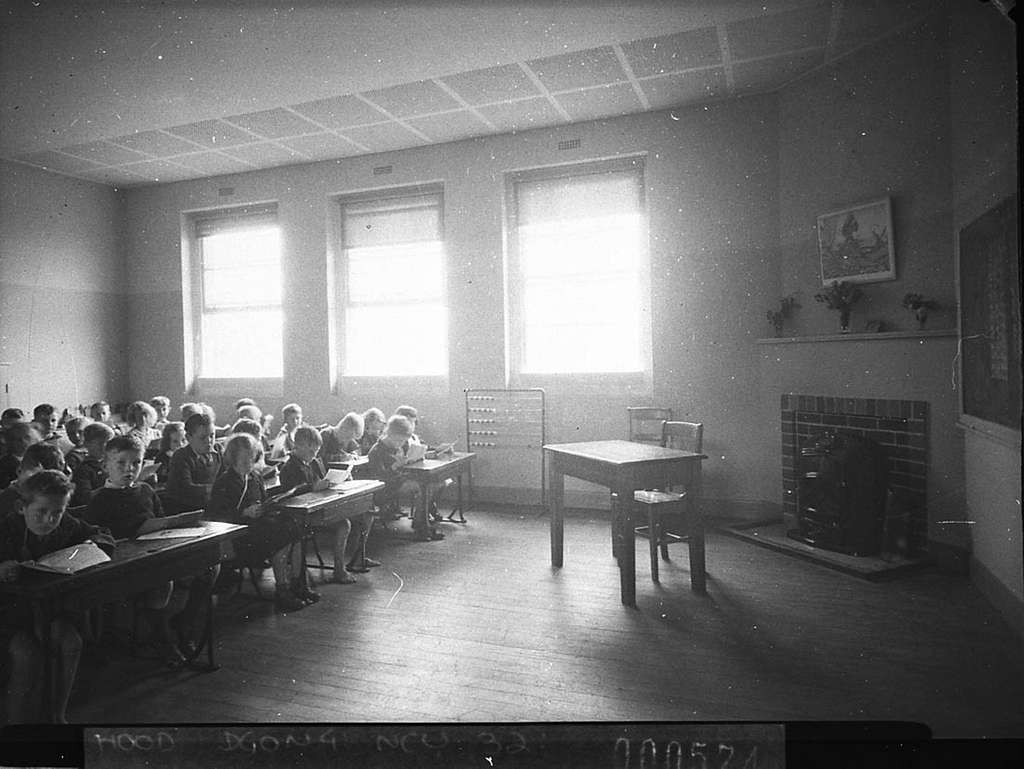
In Australia, education is more focused on soft skills like collaboration, creativity, communication, and critical thinking. The teacher is seen as a facilitator, not an authority figure. Students are encouraged to speak up, question ideas, and even argue their point of view.
There’s also far less pressure to achieve perfect grades. Many students leave school after Year 10 or take vocational education and training pathways like diplomas or apprenticeships. Going to university is a choice not an expectation.
For immigrant parents and students, this contrast can be overwhelming. Many ask:
“Where are the textbooks?”
“Why is the classroom so relaxed?”
“Why are there so few tests?”
“What exactly is the teacher doing?”
Confused and concerned, some parents respond by enrolling their children in private schools that offer stricter discipline and more traditional teaching. Others invest heavily in private tutoring. Some even choose to homeschool their children, believing the Australian system is too “soft.” Those who keep their children in mainstream schools may continue to complain that “education here is not serious enough.”
The Children Caught in Between
Then there are the children who adapt more easily. They begin to understand the Australian system and even appreciate its flexibility. But at home, they face pressure to meet their parents’ expectations, expectations shaped by another system entirely.
They’re told they must get A’s and B’s, must aim for university, must succeed in the way their parents define success. These mixed messages can lead to anxiety, burnout, or conflict within the family.
What Can Be Done?
Australian government can introduce a nationwide orientation program for newly arrived parents.
Right now, support for migrant families is patchy and depends on where you live. Some states provide translated materials. Some schools with high numbers of migrant students try to hold information sessions. Some settlement services briefly touch on schooling. But there’s no consistent, government-led initiative across the country that explains how the Australian education system works, especially not in a way that prepares parents for the cultural shift.
This creates unnecessary confusion and frustration. Many parents are left guessing, comparing the system to what they know from home, and feeling that the school is too relaxed or unclear.
A national orientation program would change that. These sessions could include:
- The philosophy behind the Australian education system
- How soft skills are now considered more important than memorisation
- The role of the teacher and the classroom culture
- The role of parents in the school community
- How to support your child without conflicting with the school’s approach
- The research that supports this approach
Such sessions would not only ease the transition for families but also prevent misunderstandings, reduce complaints, and help both students and parents adjust with less stress.
A Global Example of Success
Canada, as an example, has a well-regarded initiative called Settlement Workers in Schools (SWIS). This is a government-funded program that places specialized settlement staff in schools to help newcomer families adjust. SWIS workers provide newly arrived students and their parents with orientation to the Canadian education system, acting as a bridge between immigrant families and schools. They might run information workshops for parents on how Canadian schools operate and what is expected of students and parents. They also connect families with community resources and help teachers understand the cultural needs of their new students. The program is nationwide and has been refined over years, indicating its positive impact.
What Happens If We Do Nothing?
If we ignore this gap, we risk having generations of students who are caught between two worlds, neither fully fitting into the Australian system nor satisfying their parents’ expectations. This can affect not only educational outcomes but also emotional wellbeing, family relationships, and long-term integration.
Final Thoughts
This issue isn’t about one culture being better than the other. It’s about understanding the differences and helping people adjust to a new reality. With the right support, immigrant families can appreciate the strengths of the Australian system while preserving the values they hold dear. But without it, we’re setting them up for confusion, conflict and frustration.
Regards,
-Sara A
 Simply Sara
Leave a comment